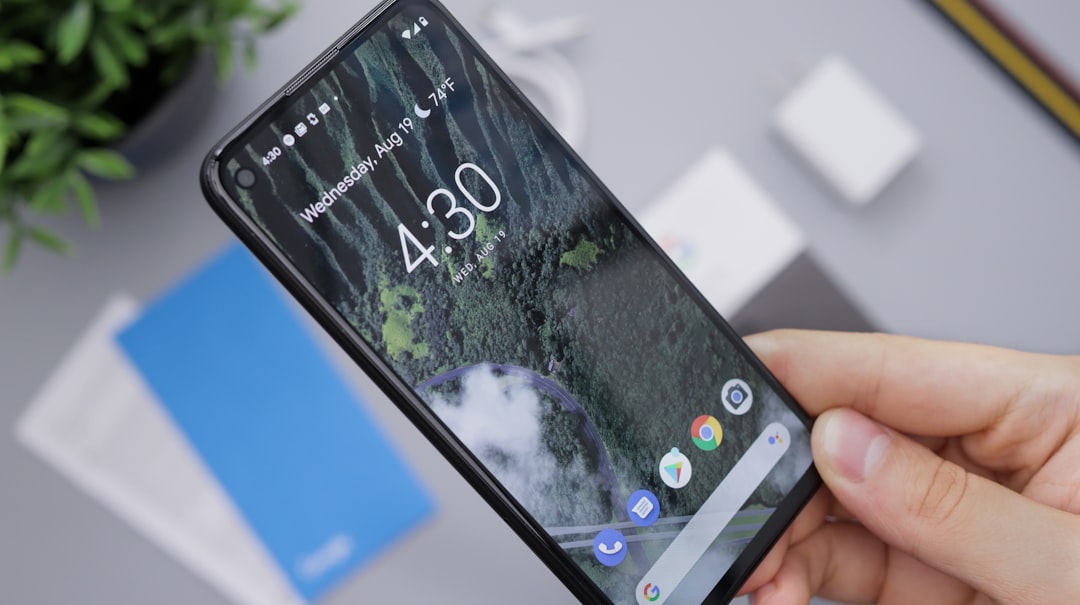
The Telephone Consumer Protection Act (TCPA) safeguards Ohio residents from unwanted automated calls and texts, with strict enforcement by the Attorney General's Office. Key provisions include explicit consent for marketing, call timing restrictions, and significant penalties for violations. Businesses need a TCPA attorney Ohio to ensure compliance through regular reviews, opt-in processes, and consumer consent checks, avoiding fines and reputational damage.
In the digital age, automated calls have become a ubiquitous part of daily life, especially with businesses leveraging technology to reach customers. However, this convenience raises critical questions about privacy and consumer rights, particularly in cities like Toledo where regulations are stringent. The Telephone Consumer Protection Act (TCPA) plays a pivotal role in protecting Ohio residents from unwanted or abusive calls, ensuring that businesses operate responsibly. This article delves into the intricate regulation of automated calls by the TCPA in Toledo, providing valuable insights for both businesses seeking compliance and TCPA attorneys Ohio who assist clients in navigating this complex legal landscape.
Understanding TCPA Laws in Ohio: A Legal Framework

The Telephone Consumer Protection Act (TCPA) is a landmark federal law designed to safeguard consumers from intrusive automated communications, particularly on mobile devices. In Ohio, including Toledo, TCPA laws are strictly enforced, offering individuals robust protections against unwanted robocalls and text messages. Understanding this legal framework is crucial for businesses and residents alike, as non-compliance can result in significant financial penalties.
Ohio’s implementation of the TCPA follows a comprehensive set of rules and regulations to ensure fair practices in telemarketing and automated calling. The Ohio Attorney General’s Office plays a pivotal role in enforcing these laws, providing guidance and resources for consumers while holding businesses accountable. One key aspect is the requirement for explicit consent before placing automated calls or sending text messages for marketing purposes. This means that residents of Toledo have control over how their contact information is used, and businesses must obtain permission through opt-in methods. For instance, a TCPA attorney Ohio would advise companies to implement clear and concise opt-in processes, ensuring customers understand the nature of communication they are agreeing to receive.
Moreover, the TCPA sets strict standards for call timing, requiring calls to be made during reasonable hours (typically 8 a.m. to 9 p.m.) unless the caller obtains prior consent from the recipient. In Ohio, violation of these rules can lead to legal action by both state and federal authorities. To avoid potential litigation, businesses are encouraged to stay updated on TCPA attorney Ohio insights, ensuring their marketing campaigns comply with current regulations. Regular reviews and adjustments to communication strategies are essential to maintain compliance, especially given the evolving nature of consumer privacy laws.
Automated Calls: Definition & Permitted Uses in Toledo

In Toledo, as across the United States, automated calls are governed by stringent regulations designed to protect consumers from unwanted or abusive practices. The Telephone Consumer Protection Act (TCPA) is a pivotal piece of legislation that outlines these rules, ensuring fairness and transparency in telecommunications. When it comes to automated calls, the TCPA defines them as prerecorded or artificial messages delivered via telephone systems, capable of leaving voicemails or playing recorded messages. These calls are ubiquitous—from marketing campaigns to appointment reminders—but their use is carefully restricted to avoid consumer harassment.
Permitted uses of automated calls under the TCPA include notifications from financial institutions, government agencies, and health care providers, as well as certain types of telemarketing activities if consumers have given prior consent. For instance, a Toledo-based bank may use automated calls to alert customers about account updates or new services, as long as those customers have opted in for such communications. Similarly, healthcare providers can leverage automated systems for appointment reminders and confirmations, enhancing patient care and reducing no-shows. However, even in these cases, strict do-not-call lists must be respected, ensuring consumers are not inundated with unwanted messages.
A TCPA attorney Ohio would advise businesses to thoroughly understand the permissible uses of automated calls to avoid legal repercussions. Noncompliance can result in substantial fines and reputational damage. For example, a 2021 case involved a company fined $50 million for making automated calls without proper consent. This serves as a stark reminder that navigating the TCPA is not just about adhering to the letter of the law but also demonstrating ethical business practices. Businesses should regularly review their call practices and obtain explicit consent from consumers, allowing them to use automated systems responsibly and within the framework set by the TCPA.
Consumer Rights Under the TCPA: Protections in Place

The Telephone Consumer Protection Act (TCPA) is a robust piece of legislation designed to safeguard consumers from invasive automated calls and texts. In Toledo, Ohio, as in many parts of the country, the TCPA plays a pivotal role in preserving individual privacy rights. One of the key aspects of this law is the protection it offers to consumers, ensuring that their interactions with automated calling systems are ethical and transparent.
Under the TCPA, businesses and organizations must obtain explicit consent from individuals before initiating automated calls or sending text messages en masse. This means that companies cannot bombard consumers with unsolicited marketing calls without first securing their permission. For example, a TCPA attorney Ohio-based firm would advise clients to implement robust opt-out mechanisms in their marketing campaigns to respect consumer choices. The law also mandates that callers provide a clear and unobtrusive way for recipients to revoke consent, empowering individuals to control their communication preferences.
Additionally, the TCPA sets strict guidelines for call timing and frequency, further safeguarding consumers from harassment. It prohibits calls made before 8 a.m. or after 9 p.m., unless the caller obtains prior express consent. These protections are crucial in mitigating consumer frustration, especially with the ever-present concern of spam calls. According to recent data, over 40 billion spam text messages were sent in the U.S. last year, highlighting the ongoing need for stringent TCPA compliance. Businesses must stay vigilant and ensure their automated calling practices adhere to these regulations to avoid substantial fines and legal repercussions.
Navigating TCPA Attorney Ohio: When to Seek Legal Advice

In Ohio, including Toledo, automated calls are regulated by the Telephone Consumer Protection Act (TCPA), a federal law designed to protect consumers from certain types of telemarketing practices. While many businesses utilize automated call systems for marketing purposes, navigating the TCPA’s complex regulations can be challenging. Understanding when to seek legal advice from a TCPA attorney Ohio is crucial to avoiding costly mistakes and ensuring compliance.
Businesses should consult a TCPA attorney Ohio if they engage in automated calling campaigns or use automatic dialing-and-dancing technology. A TCPA attorney Ohio can provide expert guidance on issues such as obtaining proper consent, respecting do-not-call requests, and adhering to time of day restrictions. For instance, the TCPA prohibits calls to consumers’ mobile phones before 8 a.m. or after 9 p.m., unless the caller obtains prior express consent. Violations can result in substantial fines, with each violation potentially carrying a penalty of up to $500. According to the Federal Trade Commission (FTC), there has been a significant increase in TCPA complaints, reflecting the growing importance of compliance.
Seeking legal advice is particularly important when dealing with class action lawsuits related to TCPA violations. If a business is named in such a lawsuit, retaining a TCPA attorney Ohio immediately becomes crucial. These cases often involve substantial monetary damages and can have significant implications for the offending entity. A qualified lawyer can help negotiate settlements, defend against claims, or develop strategies to prevent future violations. By proactively engaging legal counsel, businesses can protect their interests and maintain compliance with the ever-evolving TCPA regulations.
Penalties & Enforcement: TCPA Violations in Ohio Explained

In Ohio, the Telephone Consumer Protection Act (TCPA) regulations are strictly enforced to protect consumers from abusive or unwanted automated calls. Violations of TCPA rules can result in significant penalties for businesses and individuals alike. The Federal Communications Commission (FCC) sets national standards, but individual states may also have their own specific laws and interpretations. In Ohio, a TCPA attorney can guide you through these complexities. Fines for TCPA violations can range from $500 to $1,500 per call, with treble damages available in certain cases, meaning the potential financial consequences are substantial.
Unintentional TCPA breaches often occur due to outdated or poorly maintained call systems. For example, a business using an automated telemarketing service might inadvertently dial numbers in a manner that violates the law, leading to costly legal repercussions. Ohio courts have been consistent in upholding TCPA violations, emphasizing the need for businesses to implement robust opt-out mechanisms and consumer consent checks. A recent case study revealed that a local Toledo company was fined $1 million for making automated calls without proper permission, underscoring the severity of such infractions.
Enforcement agencies actively monitor compliance through consumer complaints and random audits. Companies found non-compliant are subject to not only financial penalties but also damage to their reputation. To mitigate risks, businesses should consult a TCPA attorney Ohio to ensure their call practices align with current regulations. Regular training for staff involved in automated calling campaigns is essential, covering topics like informed consent, do-not-call lists, and proper call termination procedures. Proactive compliance not only reduces the likelihood of penalties but also fosters stronger consumer trust and loyalty.